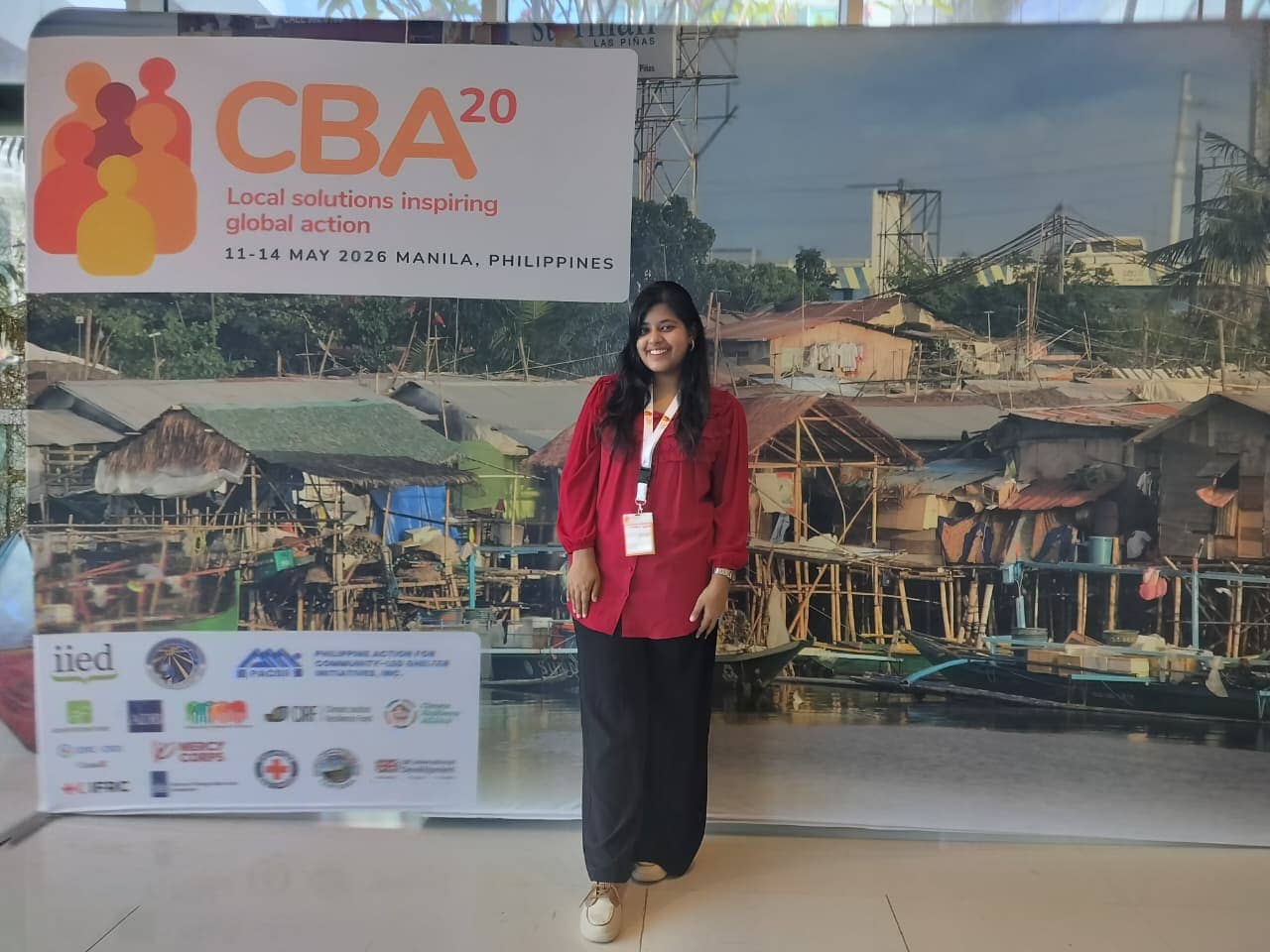
Being one of the 400 participants from 65 countries at the 20th Community-Based Adaptation (CBA20) in Manila, Philippines, was awe-inspiring. CBA20 was designed in a participatory and interactive manner to steer discussion on locally led climate solutions. The sessions were less technical and transmitted local communities’ stories of resilience in tackling the devastating impacts of climate change, globally. The conference was a powerful reminder that despite differences in geographies, cultures, and political systems, vulnerable communities around the world are battling through urban heatwaves, riverbank erosion, flash flood, sea level rise and overcoming similar challenges related to adaptation at the local level.
Throughout the four days, conversations revolved around one question: how can adaptation efforts better reflect the knowledge, priorities, and lived experiences of those most affected by climate change?
Day 1: Health, finance and adaptation: examples from local realities in different countries
The conference began with discussions on scaling national and local health investments as a critical adaptation response in developing countries. Participants shared examples of integrating health investments into adaptation planning, strengthening local capacities, and building climate-resilient healthcare systems. One message resonated strongly: adaptation must be about protecting people’s wellbeing and ensuring accessible, affordable and quality healthcare systems ready to respond to frequent climate shocks.
Participants explored what needs to change within existing funding systems to enable adaptation that is genuinely led by local actors. The answer was common amongst the participants representing different continents that funding mechanisms must become more equitable, flexible, and grounded in local realities and knowledge systems. Communities often possess the deepest understanding of climate risks, yet they remain furthest from decision-making and financial resources.
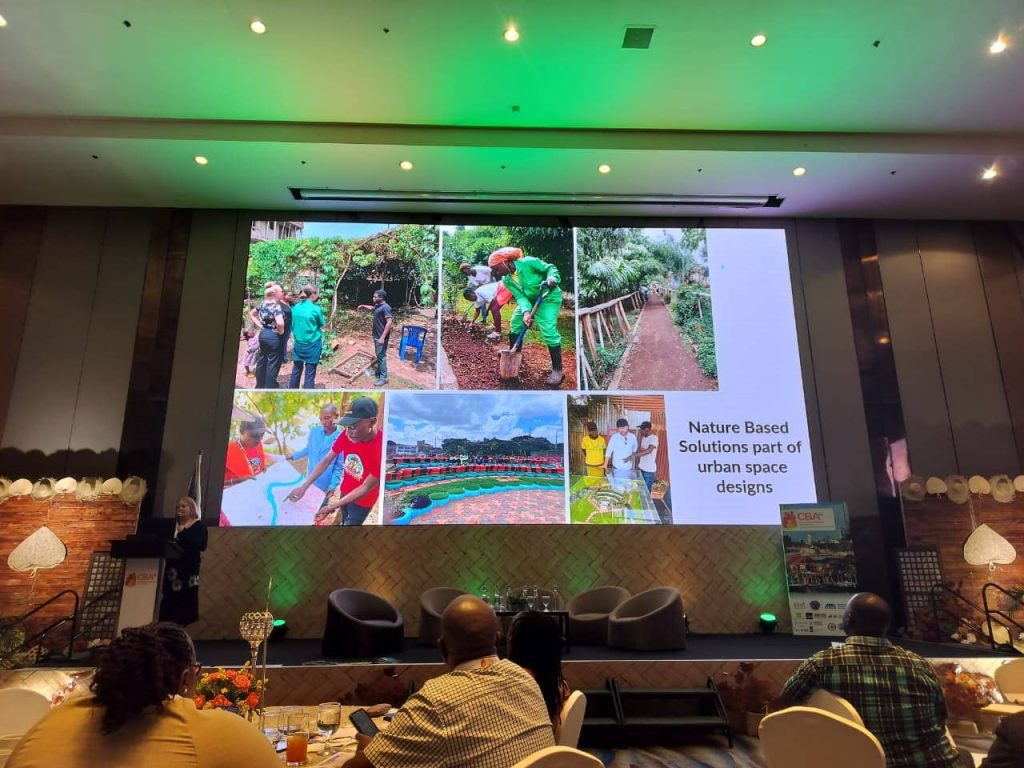
The session on nature-based solutions (NBS) for urban resilience further reinforced this perspective. Discussions emphasized that urban NBS should strengthen livelihoods alongside environmental outcomes. Restoration initiatives that support income generation and address everyday community needs are more likely to be sustained over time. Participants also highlighted the need for climate finance mechanisms that are accessible to community-led organizations and locally grounded institutions, alongside metrics that recognize locally driven impact rather than following a top-down system.
Day 2: Accountability roundtable and urban climate finance
The second day focused on accountability and urban climate action. During a roundtable on 360-degree accountability, participants shared approaches that promote trust, transparency, and mutual responsibility between communities, governments, and development partners. The discussions challenged conventional monitoring and evaluation approaches by emphasizing that accountability should not flow only upward to donors. Communities themselves should have a voice in defining success and assessing whether adaptation initiatives are delivering meaningful change.
Urban climate finance emerged as another recurring theme. Participants explored innovative financing strategies and partnerships capable of supporting adaptation in rapidly urbanizing contexts. A key takeaway was that the future of climate finance must be local, iterative, and adaptive. Traditional top-down funding models often struggle to respond to the complex and rapidly changing realities of cities.
Several messages from the urban thematic sessions stood out. Communities must move beyond being beneficiaries and become active decision-makers in shaping adaptation responses. Urban nature-based solutions should incorporate livelihood benefits as core measures of success. Long-term, trust-based partnerships between municipalities, communities, private sector actors, and development partners are essential. Equally important is recognizing and resourcing youth leaders and community intermediaries who help bridge institutional systems and lived realities.
Day 3: Community leadership must be harnessed and be at the center]
The session highlighted indigenous knowledge as a supplementary information but as an essential source of expertise, innovation, and leadership.
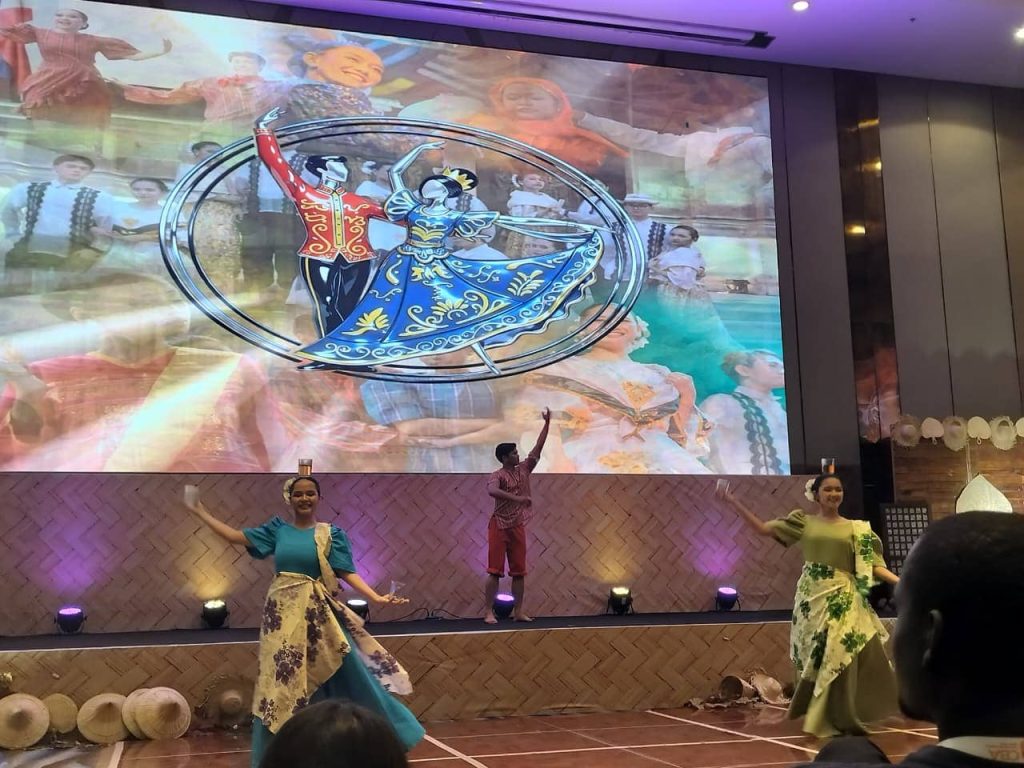
One of the most engaging experiences was the visual exhibition, where organizations and country representatives showcased their work across diverse thematic areas. Walking through the exhibits provided a tangible sense of how adaptation is being implemented in different contexts and how local innovation continues to drive climate action. The cultural performances by Filipino students added energy and warmth to the conference, creating opportunities to celebrate culture alongside climate action.
Day 4: Building CBA Key Message and the road to COP31
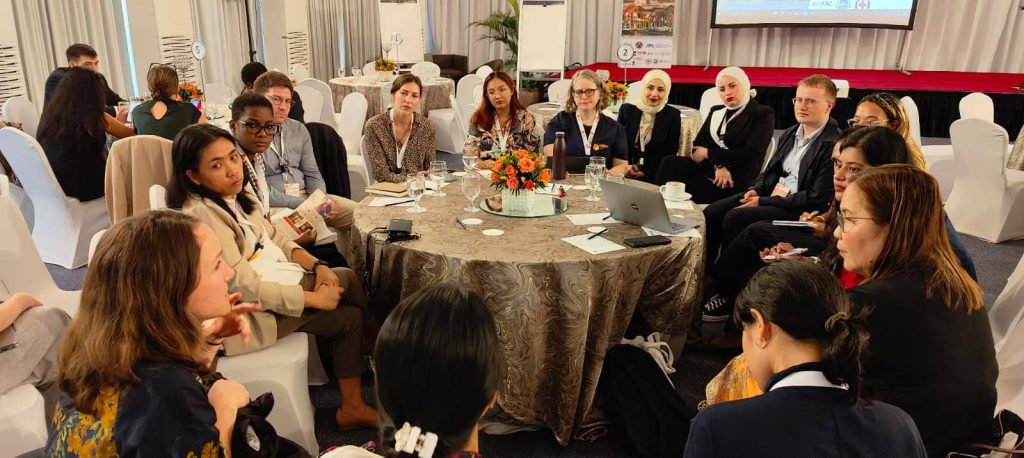
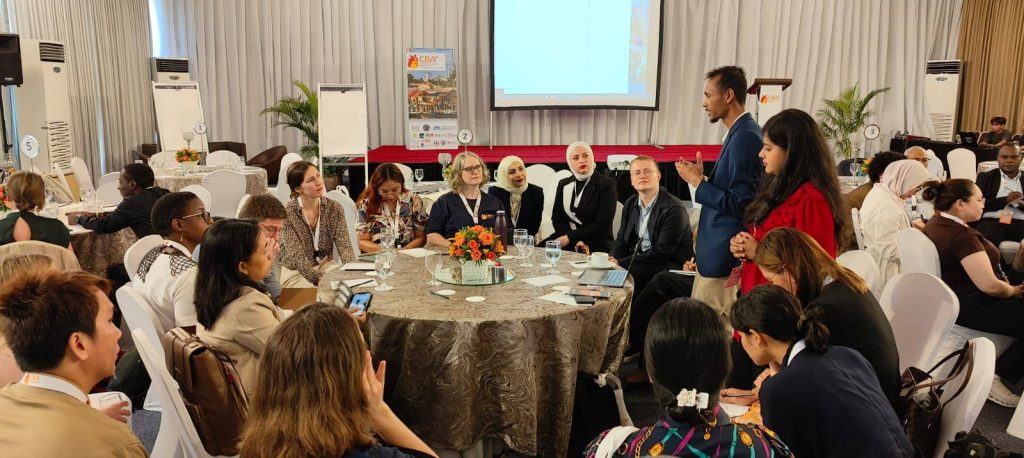
The fourth day was dedicated to engaging in interactive group work focused on shaping the key messages emerging from CBA20 and identifying priorities for COP31. Large groups were formed with the 400 participants representing multi-stakeholders such as national organizations, international organizations, government bodies, funders, and communities. I was part of the international organization group, and played an active role in building abridge between communities, governments, and donors. Discussions highlighted the importance of listening to local priorities, amplifying community voices in global forums, and helping translate grassroots needs into fundable and scalable initiatives.
Several priorities emerged from these discussions. Participants called for stronger downward accountability mechanisms where monitoring, evaluation, and learning systems serve communities rather than full filling donor reporting. There was also growing recognition that non-economic loss and damage including cultural heritage, mental wellbeing, identity, and Indigenous spiritual connections to land must receive greater attention within climate policy frameworks related to adaptation. Equally importance was given to ensure adaptation efforts to reach groups that often remain invisible in data and policymaking processes, including informal workers, landless migrants, and marginalized communities.
For me, CBA20 was not only a professional milestone but also a deeply personal experience. The plenaries, roundtables, and countless conversations reinforced why adaptation work matters beyond reports, projects, and policy frameworks. At its core, adaptation is about protecting people’s dignity and choosing to build just systems.
Beyond the conference: Exploring the Philippines
Beyond the conference itself, I had the opportunity to experience Philippines’ rich culture and hospitality. Exploring Quezon City, known as the country’s entertainment capital and a major educational hub, offered insights into a city balancing urban growth with significant green spaces and public infrastructure.
As I return home, I carry with me not only new knowledge and ideas but also new friendships, partnerships, and inspiration. I am deeply grateful to my colleagues and well-wishers who encouraged me throughout this journey. The responsibility now is to translate these learnings into action, sharing knowledge from both CBA20 and our ongoing work, strengthening local adaptation efforts, and ensuring that the voices heard in Manila continue to shape conversations far beyond the conference halls. Some conferences end when participants leave. CBA20 feels different. It feels like the beginning of many new conversations, collaborations, and possibilities.
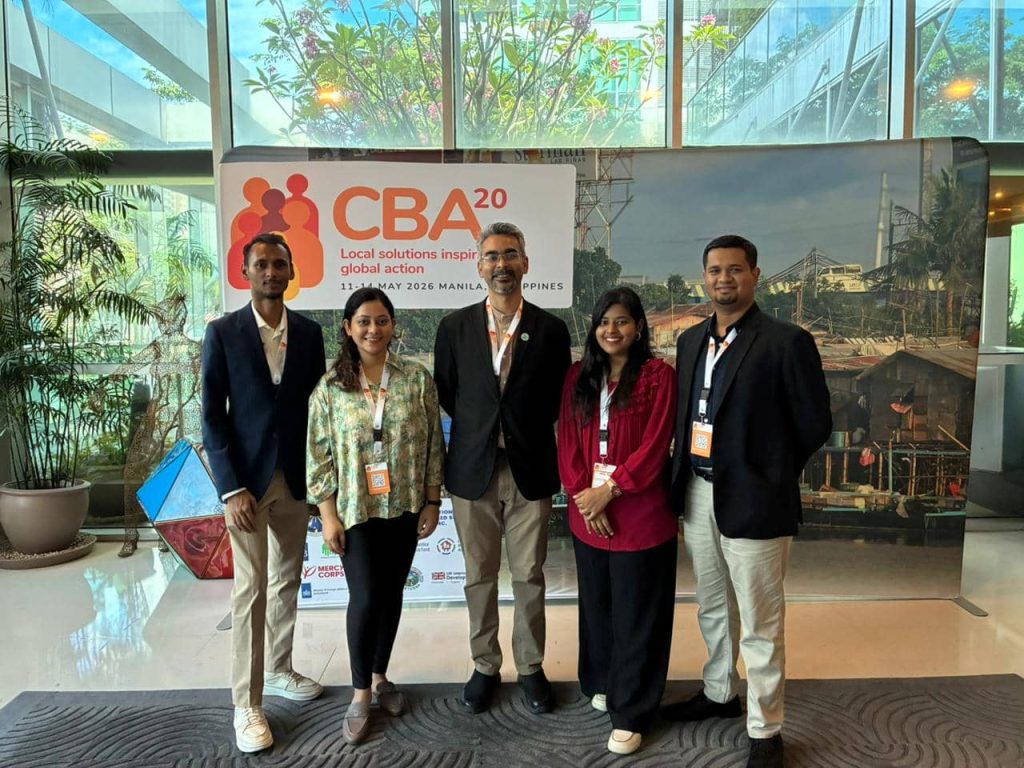
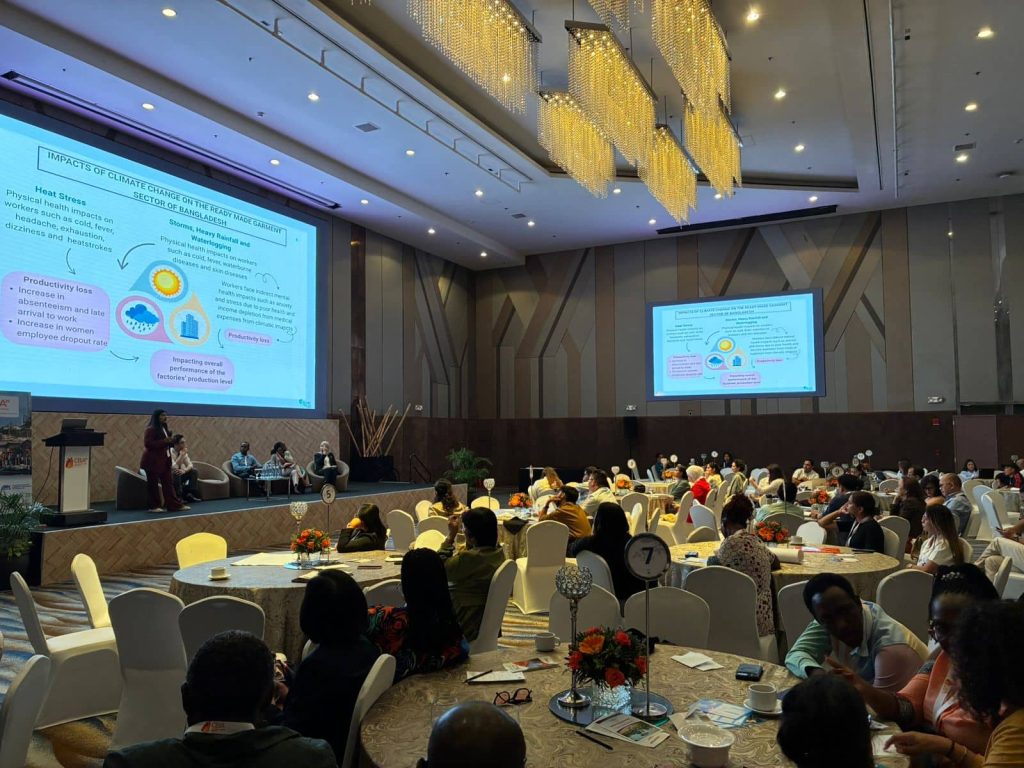
Photo source: Nafia Saddaf – ICCCAD
About the Authors: Nafia Saddaf works as a Research Officer at ICCCAD